Centre Court rubbish collection tips for quick event clearouts
If you have ever watched a venue go from lively to littered in the blink of an eye, you will know how quickly event waste can snowball. Spilled drinks, paper cups, food packaging, broken display materials, and the odd forgotten banner all pile up fast. That is exactly where Centre Court rubbish collection tips for quick event clearouts become useful: they help you clear the space quickly, safely, and without that last-minute panic that always seems to arrive when the lights go down.
This guide is built for organisers, venue teams, facilities managers, and contractors who need a practical way to get an event space back to normal. We will walk through the process, the smart shortcuts, the mistakes that slow everything down, and the best ways to keep the clearout controlled even when time is tight. Truth be told, the difference between a smooth turnaround and a messy one is usually planning, not brute force.
- Why it matters
- How the process works
- Key benefits and practical advantages
- Who this is for and when it makes sense
- Step-by-step guidance
- Expert tips for better results
- Common mistakes to avoid
- Tools, resources and recommendations
- Law, compliance, standards, or best practice
- Options, methods, or comparison table
- Case study or real-world example
- Practical checklist
- Conclusion
- Frequently asked questions
Why Centre Court rubbish collection tips for quick event clearouts Matters
Fast clearouts are about more than keeping a venue tidy. They protect your next booking, reduce slip and trip risks, and stop waste from being dragged through public or shared areas. If a large event ends late on a Sunday, for example, you may have only a narrow window before cleaners, contractors, or the next team need access. A tidy handover can save hours.
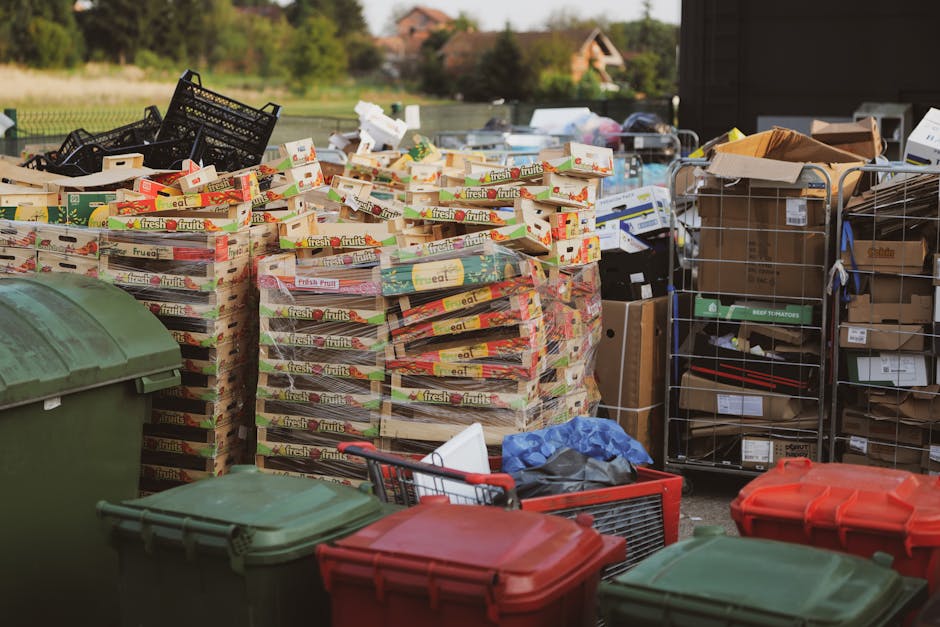
For a busy venue environment, rubbish is rarely just rubbish. It includes mixed waste streams, reusable materials, packaging, cardboard, bottles, and sometimes bulky items such as promotional stands or damaged furniture. If those items are not sorted quickly, the whole job slows down. And once the bags start splitting or the corridor starts filling, things get messy in a hurry. Not ideal at all.
There is also a reputational angle. Guests, sponsors, and staff notice whether a space is being managed professionally. A clean, well-run clearout says the event was properly handled from start to finish. That matters if you want future bookings to feel confident in the operation.
Key takeaway: the faster the clearout needs to happen, the more important your waste plan becomes. A good plan is what keeps a venue calm when everyone else is rushing.
How Centre Court rubbish collection tips for quick event clearouts Works
The basic idea is simple: separate the waste into manageable streams, stage it close to where it is generated, and remove it in the right order. In practice, that usually means one team clears the front-of-house waste, another handles back-of-house waste, and a third deals with bulky or specialist items. If one person tries to do everything, you tend to lose time by walking back and forth. A lot of time, actually.
A quick event clearout works best when you think in zones. Start with the highest-traffic areas first: entrances, seating rows, hospitality points, refreshment stations, and loading routes. These are the places where waste slows movement and creates risk. Then move into quieter areas such as storage corners, staff rooms, and temporary holding spaces.
The aim is not just removal. It is controlled removal. That means bags do not burst, recycling is not contaminated unnecessarily, and bulky waste does not block exits or trolleys. If your waste handler also provides scheduled collections or same-day support, the process can be much quicker. Services such as waste removal and business waste removal are often useful when a venue has multiple waste types and a tight handover window.
For event-related furniture or fixtures that need removing, it can help to separate them early and decide whether they are for reuse, disposal, or specialist handling. That is where pages like furniture disposal and furniture clearance can be relevant if you are dealing with damaged seating, old tables, or temporary event furniture that has reached the end of the line.
Key Benefits and Practical Advantages
When rubbish collection is organised properly, the benefits show up immediately. You move faster. Staff stress less. The venue resets sooner. And the odds of a last-minute scramble drop sharply.
- Faster turnaround: waste is cleared in logical stages rather than all at once.
- Less congestion: routes stay open for cleaning teams and movers.
- Lower risk: fewer loose items means fewer trips, slips, and handling injuries.
- Better recycling outcomes: cleaner sorting improves what can be recovered.
- Less disruption: staff can focus on finishing the event rather than managing piles of waste.
- More professional handover: the space looks ready, not abandoned.
There is a quieter benefit too: good clearout habits reduce panic. Anyone who has tried to close down a venue at midnight with bin bags everywhere will know the feeling. Everything sounds louder, the clock feels faster, and nobody can find the tape. A clear system takes the edge off that moment.
If your event involved staging, display panels, or post-production debris, a more specialised clearance may be needed. For larger dismantling jobs, builders waste clearance can be useful for heavier mixed materials, while office clearance may fit temporary conference setups, admin areas, and pop-up workspaces. For a broad overview of disposal expectations and practical limits, it can also help to review what can go in a skip before you decide on your collection method.
Who This Is For and When It Makes Sense
This kind of approach makes sense for anyone responsible for fast venue turnaround. That includes event managers, venue operations staff, caterers, production crews, cleaning contractors, and businesses hosting short-notice functions. It also helps when you are dealing with repeat events, because the same waste pattern tends to appear again and again.
It is especially useful when the event has one or more of these features:
- lots of packaging waste from catering or merchandising
- temporary furniture, signage, or display items
- a strict end time and a narrow access window afterwards
- mixed waste streams that need sorting before collection
- shared access routes that must be cleared quickly
It also makes sense if you are trying to reduce the burden on in-house staff. Not every team has time to sort heavy or awkward waste after an event. If the clearout involves bulky seating, damaged soft furnishings, or awkward appliance-type items, specialised services such as mattress and sofa disposal or fridge and appliance removal may be more practical than trying to force everything into general rubbish sacks. Let's face it, nobody wants three people wrestling a heavy item down a tight corridor at 1 a.m.
Step-by-Step Guidance
Here is a straightforward way to run a quicker event clearout without losing control of the job.
- Map the waste hotspots before the event starts. Identify where waste will build up: entrances, food service points, backstage areas, bar counters, and storage corners.
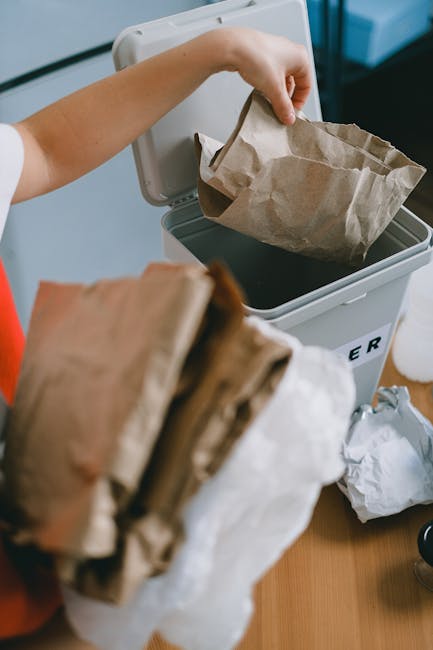
- Place the right bins in the right places. Use clearly labelled containers for general waste, recycling, and bulky items. If people have to think too hard, they will put things in the nearest bag.
- Assign roles in advance. One person monitors bag fill levels, another clears overflow, and another keeps routes open. Small teams work better when everyone knows their lane.
- Remove bulky items early. Chairs, tables, broken stands, and packaging pallets should not sit around until the end. Clear them while the crowd is still thinning out.
- Stage waste near exit points. Use a designated holding area so waste is not spread across the venue. Keep it neat and out of public view where possible.
- Separate specialist waste immediately. Hazardous items, sharps, broken electricals, or contaminated materials should not be mixed into general waste.
- Do a final sweep. Check under tables, behind screens, along skirting, and in cloakroom or storage areas. The last 5% always takes longer than you think.
In many cases, a planned clearance service is the difference between a tidy exit and a long, noisy mop-up. If the event has generated a lot of commercial waste, booking in advance through book online can help you secure a collection window that fits the end of the event rather than leaving the team hanging around waiting.
For venues that care about recovery and reuse, it may also be sensible to route reusable materials into the right stream rather than sending everything straight to disposal. That links naturally with recycling and sustainability, especially if you want the cleanout to be efficient and responsible at the same time.
Expert Tips for Better Results
Some of the best speed gains come from small, almost boring habits. The boring stuff is what works. Here are a few that make a real difference.
- Use smaller bags near the source. Oversized bags are harder to move and more likely to split when they are overfilled.
- Keep one route sacred. Pick a single waste route from collection point to exit and do not let it become a storage area.
- Bring labels and tape in bulk. Re-labelling on the fly slows everything down. A roll of tape can save ten minutes, maybe more.
- Photograph the setup before and after. Not for drama, just for records and planning. It helps with repeat events.
- Use gloves and trolleys generously. Manual handling should not be improvised.
One small but useful habit: keep a "quick decision" box for items that need checking later, such as lost property, cables, and paperwork. That stops the team from repeatedly stopping to ask, "Where does this go?" which, during a close-down, is basically a momentum killer.
If confidential paperwork is mixed into event admin waste, keep it separate and secure. A service like confidential shredding is a sensible option when sensitive material is involved, especially for corporate events, exhibitions, or membership functions.
Common Mistakes to Avoid
Quick clearouts fail for predictable reasons. Most of them are preventable, which is the annoying part. Here are the ones that show up most often.
- Starting sorting too late. If everything is mixed from the beginning, the end-of-event clean becomes far slower.
- Ignoring bulky waste until the end. Large items block movement and create pressure points.
- Underestimating contamination. Food waste in recycling, liquids in bags, and mixed materials all reduce efficiency.
- Forgetting access constraints. A clearout plan that ignores lifts, fire doors, loading bays, or narrow corridors usually collapses on the day.
- Leaving specialist items in general waste. Some items need separate handling, and that includes certain electrical or hazardous materials.
Another common slip: assuming the collection team will just "figure it out" on arrival. They might, eventually. But that costs time. If the waste is already staged, labelled, and accessible, the whole job runs smoother. Simple really.
For items that cannot be handled as ordinary mixed waste, it is better to pause and check the appropriate route. That is especially true for items that may need specialist handling through hazardous waste disposal or awkward bulky items such as worn seating and damaged mattresses.
Tools, Resources and Recommendations
You do not need fancy kit to run a fast clearout, but the right tools help a lot. A few basics go a long way.
| Tool or resource | Best use | Why it helps |
|---|---|---|
| Heavy-duty sacks | General event waste | Reduce splitting when bags are moved quickly |
| Label tape and marker pens | Sorting and staging | Makes waste streams obvious to temporary staff |
| Wheelie bins or lidded containers | Front-of-house waste | Keeps areas tidier and reduces odour and spill risk |
| Flat trolleys | Bulky bag movement | Reduces manual lifting and speeds transfers |
| Site map or floor plan | Route planning | Helps teams avoid bottlenecks and blocked exits |
It can also be helpful to prepare a simple waste matrix before the event: what is expected, where it will go, who handles it, and when it leaves the site. That sounds a bit formal, but it saves arguments later. If you are working on a site with broader clearance needs, pages such as home clearance, house clearance, and flat clearance may also be useful references for understanding how mixed items are normally handled in a structured clearance job.
For pricing and planning, keep a note of volume, access, and waste type. Those three things usually shape the quote more than people expect. If you want to discuss a job before booking, the pricing and quotes page is the sensible place to start.
Law, Compliance, Standards, or Best Practice
Any event clearout should be handled with care around duty of care, safe handling, and segregation. In the UK, businesses are generally expected to pass waste to a suitable carrier and to manage it responsibly. The exact requirements vary depending on the waste type, and specialist items may need different handling. This is one of those areas where best practice matters even when the job looks simple.
At a practical level, that means keeping waste streams separate where possible, avoiding unsafe manual lifting, and making sure any hazardous or confidential materials are handled correctly. If you are unsure whether something belongs in mixed waste, general refuse, or a specialist stream, stop and check before moving it. Better a ten-minute pause than a compliance headache later.
Health and safety matters too. Clear access routes, stable stacking, suitable PPE, and basic housekeeping all reduce risk. For teams working on tight deadlines, a short briefing before the clearout starts can be more effective than a long one that nobody remembers. Keep it simple, keep it specific, and make sure people know what not to touch.
Where a site has its own operating rules, always follow those first. Many venues and contractors also maintain internal policies for safe handling, insurance, and security. If your team needs to check service expectations or operational standards, it can be useful to review health and safety policy and insurance and safety information before the event day. That is just sensible, really.
Options, Methods, or Comparison Table
There is no single best way to clear event rubbish. The right method depends on waste volume, timing, and how much sorting is needed. Here is a simple comparison.
| Method | Best for | Strengths | Limitations |
|---|---|---|---|
| In-house bagging and sweep | Small events or light waste | Low cost, flexible, easy to organise | Slow for larger jobs, can strain staff |
| Staged collection with separate waste streams | Medium events with mixed waste | Faster sorting, better recycling, less congestion | Needs planning and clear labels |
| Booked waste removal service | Large events or tight turnaround | Efficient, structured, suited to bulk disposal | Requires booking and accurate waste description |
| Specialist clearance for bulky items | Furniture, fixtures, appliances | Safer handling, quicker removal of awkward items | May need separate scheduling |
If you are dealing with a mix of hard waste, office materials, and leftover staging equipment, a combined approach is often the sweet spot. General bags can go first, bulky items next, then any specialist waste last. It is not glamorous, but it works.
Case Study or Real-World Example
Imagine a venue hosting a one-day corporate event with breakout catering, temporary signage, a registration desk, and a small exhibition area. By the end of the afternoon, the space contains cups, cardboard, printed materials, tablecloths, broken display fixings, and a few damaged chairs that have clearly seen better days.
The team that handles this well usually does three things. First, they start separating waste before the event ends, not after. Second, they keep a clear route to the loading area so bags and items can move out steadily. Third, they identify bulky waste early and stop it from becoming an obstacle in the final sweep. Nothing complicated, just disciplined.
In a similar job, a crew may decide that standard rubbish bags are enough for the light waste, but the damaged furniture needs a dedicated clearance route. That is where pages such as furniture clearance and furniture disposal become relevant, especially if the aim is to get the room back to normal before the next day's setup. For event teams, that can be the difference between a smooth morning and a very grumpy 7 a.m. start.
The best outcome in this kind of scenario is not just a clean room. It is a clean room, a clear route, and a team that is not exhausted by midnight. That part matters more than people admit.
Practical Checklist
Use this checklist before and after the event to keep the clearout moving.
- Confirm the event finish time and waste collection window
- Identify waste hotspots and likely bulky items
- Place labelled bins or sacks at key points
- Brief the team on sorting, lifting, and route access
- Set a holding area away from guest movement
- Keep recycling separate from general waste where practical
- Isolate confidential, hazardous, or specialist items
- Use trolleys or handling equipment for heavy loads
- Clear the main route first, then secondary areas
- Run a final visual sweep before handover
Quick reminder: if the waste stream includes anything unusual, do not guess. Pause, check, and separate it properly. That tiny bit of caution tends to pay for itself.
Get a free quote today and see how much you can save.
Conclusion
Quick event clearouts are rarely about rushing harder. They are about clearing smarter. If you plan the waste flow, stage items properly, and decide early what needs specialist handling, Centre Court rubbish collection tips for quick event clearouts become less of a scramble and more of a routine. That is the real win: a venue that resets cleanly, safely, and without drama.
Whether you are managing a one-off function or a packed event calendar, the same basics keep working: sort early, move safely, and keep the exit route clear. Simple, yes. But simple is often what gets the job done.
And once the last bag is gone and the floor finally looks like a floor again, it is a pretty good feeling. Quiet, neat, done.
Frequently Asked Questions
What is the fastest way to clear rubbish after an event?
The fastest method is to sort waste at the source, keep a clear collection route, and remove bulky items before the final sweep. Small delays multiply quickly when everyone waits until the end.
How do I stop event waste from slowing down a venue clearout?
Use labelled bins, assign simple roles, and stage waste near an exit or loading point. The less distance staff have to walk with each bag, the quicker the clearout moves.
Should recycling be separated during a quick event clearout?
Yes, where practical. Keeping recycling separate can improve recovery and reduce contamination. Even a basic split between general waste and recyclable packaging helps.
What kind of waste is usually hardest to clear after an event?
Bulky items such as damaged chairs, tables, display stands, and mixed packaging usually take the most time. They can block routes and slow down collection if left until last.
Can one team handle both cleaning and rubbish removal?
For small events, yes. For larger events, it is usually better to separate the tasks so the waste team can keep moving while cleaners finish the detail work.
When should I book a rubbish collection service for an event?
Ideally before the event date, once the scale of waste and access needs are known. If the turnaround is tight, booking early gives you more control over timing.
What should I do with confidential papers found during a clearout?
Keep them separate and secure. Do not mix sensitive documents into general waste. A confidential shredding route is the safer option if paperwork is involved.
Are hazardous items allowed in normal event rubbish bags?
No. Anything potentially hazardous should be separated and handled through the appropriate route. If you are unsure, treat it as a specialist item until it is checked properly.
How can I make sure staff do not leave waste hidden in corners?
Use a final sweep checklist that includes under tables, behind screens, and in storage corners. Hidden waste is common when the team is tired and trying to leave quickly.
What is the best approach for bulky event furniture?
Remove it early and treat it as a separate stream from bagged rubbish. If items are too large or awkward for routine handling, furniture clearance or furniture disposal is often the safer route.
Does good waste planning really save time?
Yes, absolutely. A few minutes spent on sorting, labels, and routes can save a lot more time at the end. It also reduces stress, which is no small thing when the venue is still buzzing.
What if I am not sure what can go in a skip or collection load?
Check the accepted waste guidance before loading anything unusual. If you need a practical reference point, what can go in a skip is a useful place to start for understanding common limits and exclusions.
Is it worth using a specialist service for event clearouts?
If the event produces bulky, mixed, or time-sensitive waste, yes. A specialist service can reduce handling time, improve safety, and make the handover much smoother. That is often worth more than trying to do everything in-house.
How do I choose between general waste removal and a fuller clearance service?
If the job is mainly bags and light debris, general waste removal may be enough. If you also have furniture, fixtures, appliances, or multiple waste streams, a fuller clearance approach is usually better.