Commercial Waste in Wimbledon
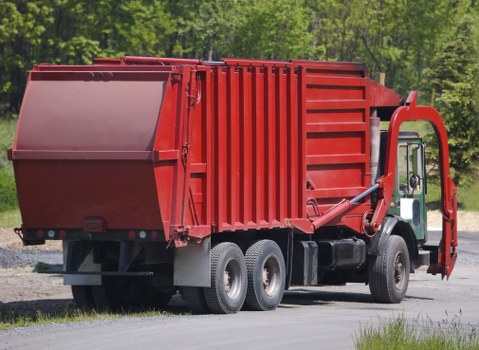
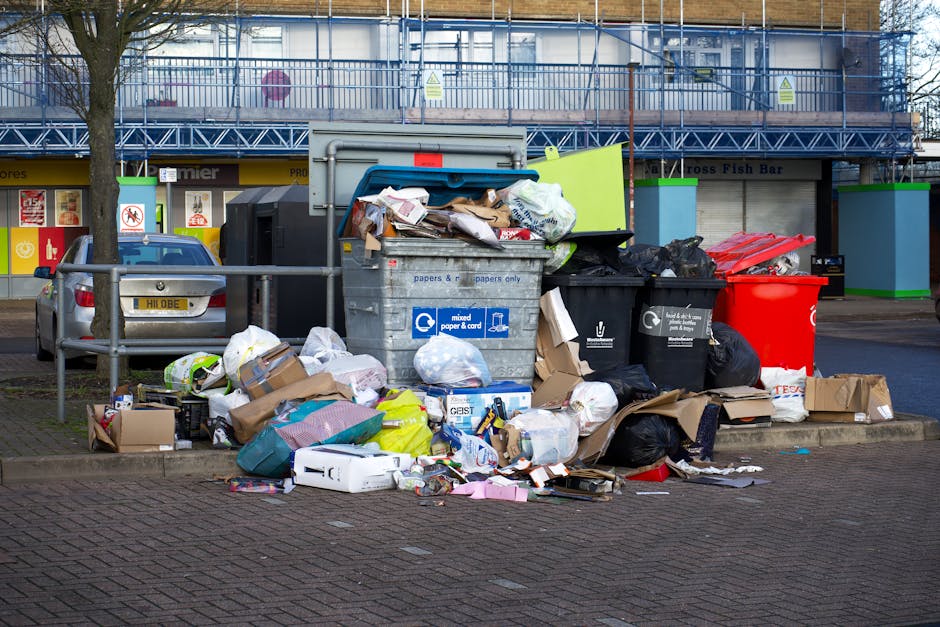
Commercial waste in Wimbledon needs a practical, organised approach that suits offices, shops, studios, hospitality premises and mixed-use workplaces. Our service covers the collection and removal of business waste streams that build up during day-to-day operations, with a focus on keeping disposal clear, lawful and straightforward. Where items can be sorted for recycling, reuse or specialist handling, we separate them with care so the right material follows the right route.
We can support regular clear-outs and one-off removals where the volume has grown beyond what on-site bins can reasonably handle. That may include bagged waste, cardboard, packaging, shelving offcuts, obsolete equipment, fixtures and other commercial materials that need moving out in an orderly way. Good planning makes the process easier, but the main goal is simple: remove the unwanted material efficiently while leaving the remaining workspace usable.
For a clear starting point, you can request a quotation once you know roughly what needs removing and when access is available. If you already have a spread of mixed business waste, the most helpful next step is to gather the main categories together and decide whether anything should be kept aside for reuse, transfer or confidential handling. That creates a more accurate scope before collection is arranged.
Business waste removal for ongoing operations
Business premises often generate several waste types at once, so an effective service needs more than a simple lift-and-load approach. We handle commercial waste removal in a way that supports practical site management, whether the items come from routine housekeeping, end-of-lease tidying or a planned stock refresh. The work can include bagged refuse, packaging, cardboard, display materials, non-confidential office waste and general items that no longer serve the business.
Where waste has been grouped across different rooms or departments, we can work through it methodically so the removal does not disrupt the rest of the day more than necessary. In some jobs, the main issue is not the size of the load but the mixture of items, which is why separating recyclables from general waste matters. If you are weighing up options, an accurate description of the materials helps determine the most suitable approach.
Typical commercial load types
The following categories are commonly involved in business clearances and help define the scope of a collection:
- bagged general waste and packaging
- cardboard, paper and shop-floor offcuts
- redundant desks, chairs and storage units
- fixtures, fittings and display materials
- small electrical items and mixed office clutter
Office clearances and workplace resets
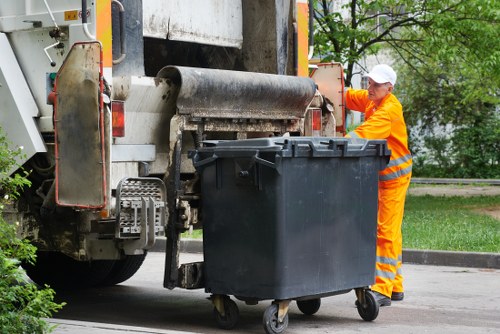
An office clearance is often needed when desks are being reorganised, teams are relocating or the workplace is being stripped back for refit. We remove the items that are no longer required, including office furniture, filing units, archive material, loose equipment and assorted contents that accumulate in meeting rooms, cupboards and storage areas. The aim is to leave the space ready for the next stage without turning the process into a drawn-out project.
In a workplace setting, timing and access are important because corridors, lifts, stairwells and loading areas may need to stay clear. A good clearance plan accounts for these practical details before anything is moved. If items are bulky or awkward, the route out of the building matters as much as the volume itself. Measured handling helps avoid unnecessary disruption and reduces the chance of damage to fixtures or flooring.
If the clearance also involves records or sensitive documents, keep those separate from general waste so the handling route is clear from the start. For many businesses, this is the stage where a brief conversation about what stays, what goes and what needs special attention is more valuable than trying to over-explain the whole job. Once the broad scope is set, the collection can be planned around it.
Furniture, fixtures and bulky item disposal

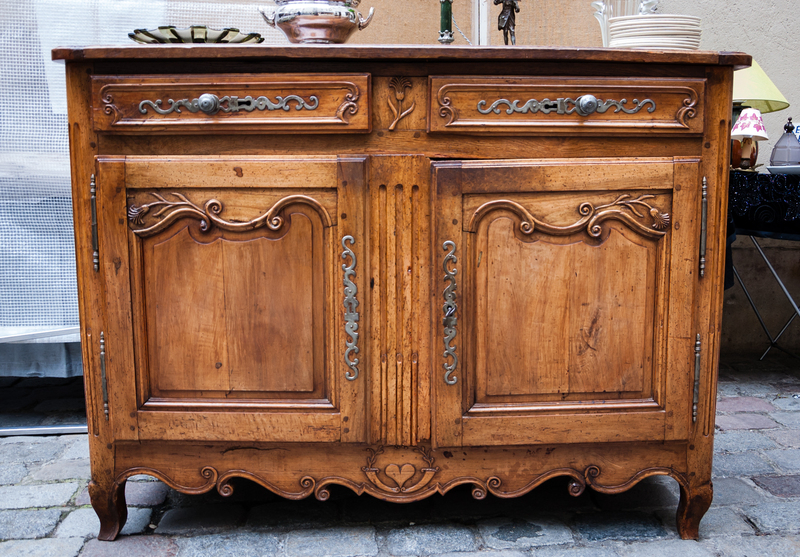
Commercial premises regularly need furniture and bulky item disposal when layouts change or older fittings are replaced. That can include desks, cabinets, reception seating, tables, storage systems and other large items that are awkward to move without the right equipment and a clear route. We remove such items with attention to access and condition, making sure the work is paced sensibly around the site.
Some furniture can be broken down before removal, while other pieces are better moved intact to avoid unnecessary mess. The right method depends on the item, the building and the available space. Where there is a mixture of reusable and non-reusable contents, separating them at source is often the neatest option. A single clearance can therefore cover several object types while still keeping the process orderly.
When you are deciding what to include, think about the items that will genuinely be discarded and the ones that may need to be retained for reuse, resale or reconfiguration. That distinction keeps the scope focused and helps avoid removing something that would be useful later. If the list changes before collection, it is usually better to update it early rather than leave the team to infer what should happen on the day.
Recycling, sorting and responsible handling
Commercial waste works best when materials are grouped before removal, because that creates cleaner routes for recycling and recovery. Cardboard, paper, metals, some plastics and suitable office items may follow different handling paths from general refuse, so we sort loads where practical and appropriate. This is especially useful when a business clearance includes both everyday waste and items from a refit or stock change.
Responsible handling also matters when there are mixed contents in bins, cupboards or storage rooms. Rather than treating everything as one mass, we look at the load in terms of material type and disposal needs. That may reduce unnecessary contamination and make the collection more efficient. It also helps with jobs that involve staging points, where items have been moved out of the way but not yet fully sorted for removal.
Clear separation is often the simplest way to improve the final result. If your premises produce a repeat pattern of cardboard, packaging and general refuse, it is worth deciding which materials will be grouped together before collection. That decision does not need to be complicated; it just needs to be consistent enough to make removal straightforward and compliant with the chosen route.
Hazardous, confidential and specialist waste streams

Certain business materials need more careful handling than ordinary general waste, and those items should be assessed before any collection is arranged. Examples may include hazardous waste, confidential paperwork, broken appliances or materials with specific disposal requirements. We offer routes for supported specialist streams where the item type is suitable for the service, and we separate those from general waste to avoid confusion or mixing.
For confidential materials, the priority is keeping the process controlled from the moment the items are identified. That starts with setting them apart from ordinary office waste and ensuring they do not move through the same pile by accident. For hazardous or potentially regulated materials, the description of the item matters because it determines whether the load is acceptable and how it should be handled. Not every clearance needs specialist treatment, but when it does, clarity is essential.
It is sensible to think about the contents before collection day so that unsuitable items are not discovered too late in the process. If you are not sure whether something belongs in a standard clearance or needs a separate route, say so when preparing the job details. That gives a better foundation for a quote and avoids unnecessary adjustments later.
Pricing, access and quotation details
Commercial waste quotes are usually shaped by a few practical factors rather than by a single simple measure. The main influences are the type of waste, the overall volume, how easy it is to access the items and whether any specialist handling is needed. Collections that involve stairs, long carries, restricted loading or multiple separate areas can take a different level of planning from straightforward ground-floor removal.
It also helps to know whether the job is a one-off clearance or part of a recurring arrangement. Regular waste patterns can sometimes be planned more efficiently than an unpredictable, mixed load, especially where the business produces a consistent stream of packaging or office refuse. When preparing details, a concise description of the materials and access conditions is more useful than a long account. If possible, keep photographs or an item list together so the quotation stage is easier.
Use the clearest description you can, then ask for a quotation when you are ready. If the materials change before collection, let that be known as soon as possible so the scope stays accurate. You do not need to over-prepare, but a little structure at the start often saves time later.
About Wimbledon
Wimbledon is a district in southwest London best known for its long association with tennis, yet its identity reaches well beyond the All England Club. The area sits within the London Borough of Merton and includes a mix of residential streets, shopping routes, civic buildings and open space that make it feel both urban and comparatively green. Wimbledon Common, one of the largest open spaces in London, forms a major part of the local landscape and offers heathland, woodland and ponds that contrast with the denser built-up streets nearer the town centre. The district is also shaped by Wimbledon Village, whose older streets and independent shops sit on higher ground near the common, while Wimbledon town centre has a more modern commercial character around the station and shopping areas. Rail and Underground links have long made the area an important commuter location, but the local identity is not defined by transport alone. Historic churches, schools, terraces and surviving Victorian and Edwardian buildings sit alongside newer developments, while the Centre Court and tournament grounds contribute an internationally familiar landmark. Cultural life is supported by theatres, local events and everyday retail activity, and the balance between town, village and open land gives Wimbledon a distinctive character within London.
House and flat clearances for mixed contents

Although this page focuses on commercial waste, many business customers also need house or flat clearance when a property is tied to a change of use, an inherited estate or a combined domestic and work-related clearance. Those jobs often include a mixture of furniture, bric-a-brac, white goods, paperwork and general contents that need to be sorted before removal. The same organised approach applies: identify what stays, what goes and what requires separate handling.
Mixed-content clearances can be more involved than they first appear because items are spread across rooms, lofts, garages and storage cupboards. A clear inventory is useful, but the real value lies in knowing which items are bulky, which are fragile and which have to be treated carefully because they carry personal or business information. When the contents are understood early, the clearance can be planned in a way that avoids unnecessary back-and-forth on the day.
If the work includes both domestic and business material, keep them grouped where practical so the right disposal route is chosen for each category. That makes the final removal cleaner and reduces the chance of mixing items that ought to be treated separately. It is often the simplest way to turn a complicated clearance into a manageable one.
Loft, garage and storage area clear-outs
Storage spaces often become the holding point for material that a business no longer needs but has not yet had time to sort. Lofts, garages, cupboards and back rooms can fill with archived boxes, spare fixtures, display stock, out-of-season items and broken equipment. We clear these areas by working through the stored contents and removing the pieces that are ready to leave the premises.
These jobs are most effective when there is a clear distinction between what is stored for future use and what is simply waiting to be discarded. Practical sorting matters because storage areas tend to accumulate mixed items over long periods. A sensible clearance may therefore involve multiple categories at once, from general waste to bulky goods and recyclable materials, but each category still needs its own route.
Where storage is awkwardly placed, access can shape the pace of the work. Narrow stairs, low ceilings and partial obstructions all affect how items are moved. That is why a brief description of the area is useful when the job is being planned. It does not have to be complicated; it just needs to be enough to set realistic expectations.
Site preparation and useful information before collection
Two pieces of information tend to help most: what the waste is, and how the collection area can be reached. If you can identify the main categories and note anything unusual about access, the job can be scoped more accurately. That might include parking limitations, lift availability, loading restrictions or the need to move items through shared corridors. The clearer the route, the easier it is to organise the clearance.
It also helps to group items in a way that reflects how they should be handled. For example, if office waste, furniture and specialist materials are all present, keeping them separate where possible saves time during the collection itself. If you are unsure how to sort everything, a short description is enough to begin with. The important thing is not perfection; it is giving enough detail for the work to be understood properly.
For businesses ready to move forward, the next step is simple: make a note of the main waste types, decide what access looks like and ask for a quotation. If you want to compare timings or see what fits best, a concise enquiry is usually the easiest route to a practical answer.