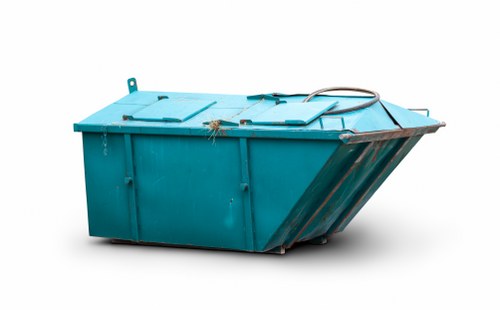
Commercial Waste Wimbledon - Health & Safety Policy
This document sets out the Health and Safety Policy for Commercial Waste Wimbledon. It applies to all activities carried out by the company in its role as a commercial waste provider and rubbish company service area operator. The policy establishes the objectives, responsibilities and arrangements that ensure safe waste handling, transport and disposal across our service footprint. It is designed to be proportionate, practical and focussed on preventing harm while maintaining effective commercial waste collection operations. All employees, contractors and relevant stakeholders must understand and comply with this policy as it forms part of our commitment to maintain a safe working environment.Scope and responsibilities: The policy covers daily operations, vehicle movements, manual handling, hazardous waste separation, vehicle loading and unloading, site-based collections and customer site visits. Senior management has ultimate responsibility for policy implementation and review, while operational managers are responsible for enforcing safe systems of work. Every team member has a duty to follow safe practices and to report hazards or unsafe acts immediately. The policy also applies to third-party contractors who operate within the rubbish collection service area under contract, requiring them to meet or exceed our standards.
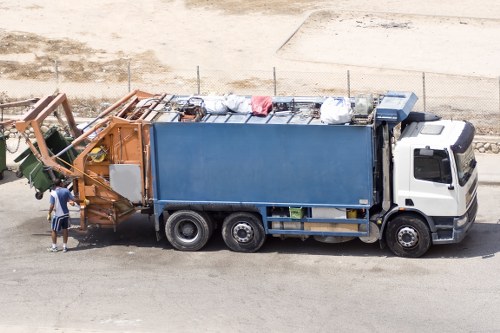 Risk assessment and control measures are central to safe service delivery. We undertake systematic risk assessments for routine and non-routine tasks, and we apply the hierarchy of controls to eliminate or minimise risks. Engineering controls, safe work procedures and suitable personal protective equipment (PPE) are provided where necessary. Staff are trained in task-specific controls, and supervisors ensure that controls are in place during collections, transfers, loading and storage. Records of assessments and control measures are maintained and reviewed when operations change or new hazards are identified.
Operational safety includes vehicle and traffic management, safe loading practices and yard housekeeping. Fleet maintenance is scheduled and documented to reduce the risk of mechanical failures that could lead to incidents. Drivers and crew receive training in safe vehicle operation, reversing procedures and securement of loads to prevent spillage. Worksite set-up considers pedestrian exclusion zones, clear signage and suitable lighting for early morning or evening collections. Our rubbish company service area protocols require that waste containers are positioned to allow safe access and egress while minimising manual handling demands.
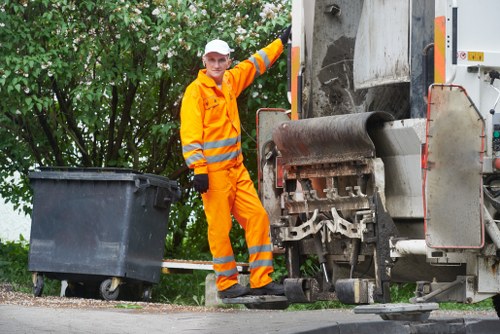
Training, competence and supervision
We maintain structured training programmes to ensure competence in commercial waste handling and to support continuous improvement. Induction training covers the company safety policy, emergency procedures and basic operational hazards. Role-specific training includes manual handling techniques, safe use of mechanical aids, hazardous waste awareness and vehicle operation. Supervisors perform regular competency checks and deliver refresher sessions. Training records are kept for audit purposes, and staff are encouraged to participate in toolbox talks and safety briefings to reinforce safe behaviours.Emergency preparedness and incident response procedures are documented and tested. Crews are trained to respond to spills, fires, road collisions and medical emergencies during rubbish collection routes. Incident reporting and investigation procedures ensure that root causes are identified and corrective actions implemented to prevent recurrence. Near-miss reporting is promoted as a vital part of our safety culture, enabling us to address latent conditions before they lead to harm.
Environmental protection and waste segregation responsibilities are integral to the policy. Staff follow clear segregation rules for recyclable materials, general waste and hazardous or specialist wastes to reduce environmental risk and to promote resource recovery. Waste containment and labelling practices are enforced to prevent cross-contamination and to protect handlers and downstream processors. We monitor compliance with waste transfer documentation and ensure that materials are tracked appropriately within the commercial rubbish service chain.

Monitoring, review and contractor management
The company implements a programme of safety monitoring that includes site inspections, vehicle checks and periodic audits. Key performance indicators capture incidents, near misses, training completion and risk assessment currency. Findings lead to corrective actions overseen by management and recorded for transparency. Contractors operating in our rubbish collection service area are assessed before engagement and monitored during contract delivery. Contractual arrangements require compliance with this policy and with any site-specific safety rules. Subcontractors must also demonstrate valid training, insurance and method statements for their scope of work. Leadership and worker involvement are essential to the effectiveness of this Health and Safety Policy. Management will provide the resources necessary to implement and maintain safe systems of work. Employees are expected to cooperate fully, use provided PPE, follow safe operating procedures and report any hazards. Regular review cycles ensure the policy remains current, taking account of operational changes and stakeholder feedback. This policy is part of our legal and moral commitment to provide a safe and healthy environment for staff, customers and the public, and to deliver professional, responsible commercial waste removal and collection services across our service area.
